
Eat Smart, Live Better:
Top Salads & Meals for Blood Sugar Balance
Explore our curated editorial guides on low-glycemic salads, wholesome meals, and nutrient-rich foods that support stable energy levels. Our writers bring you research-backed insights to help you make confident, informed food choices every day.
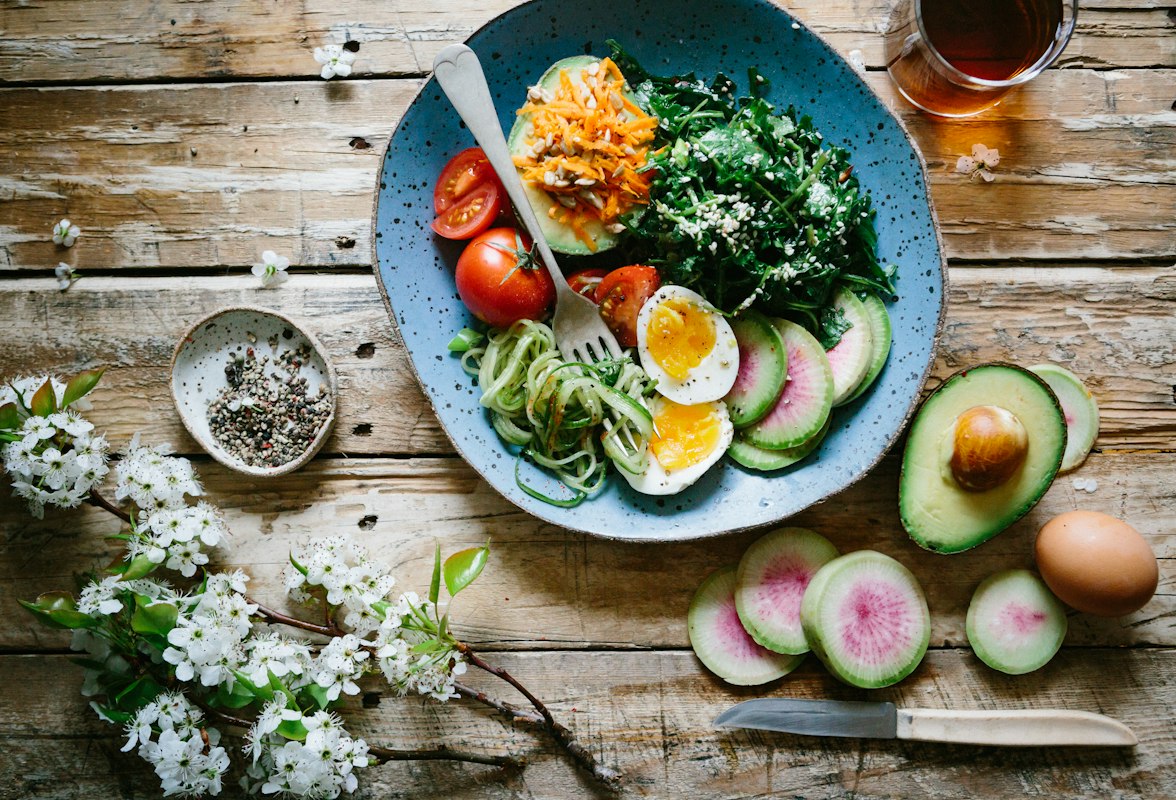
Why Food Choices Matter for Blood Sugar Balance
Understanding how different foods affect your body is the first step toward building a healthier plate. Here are three core nutritional principles our editorial team focuses on.
Low Glycemic Index Foods
Foods with a low glycemic index release glucose slowly into the bloodstream, helping to maintain steady energy without sudden spikes. Leafy greens, legumes, and whole grains are among the best choices.
Fiber-Rich Ingredient Balance
Dietary fiber slows digestion and moderates how quickly carbohydrates are absorbed. A high-fiber meal — like a lentil salad with cucumber and tomato — can make a significant difference in post-meal glucose levels.
Healthy Fats & Protein
Combining quality proteins and unsaturated fats with vegetables keeps you satisfied longer and reduces cravings. Olive oil, avocado, eggs, and fish are classic smart additions to a balanced plate.
Top-Rated Salads for Blood Sugar Control
Our editorial team has reviewed the most popular and well-researched salad recipes proven to fit a blood-sugar-friendly lifestyle. Each guide includes ingredients, preparation tips, and nutritional context.
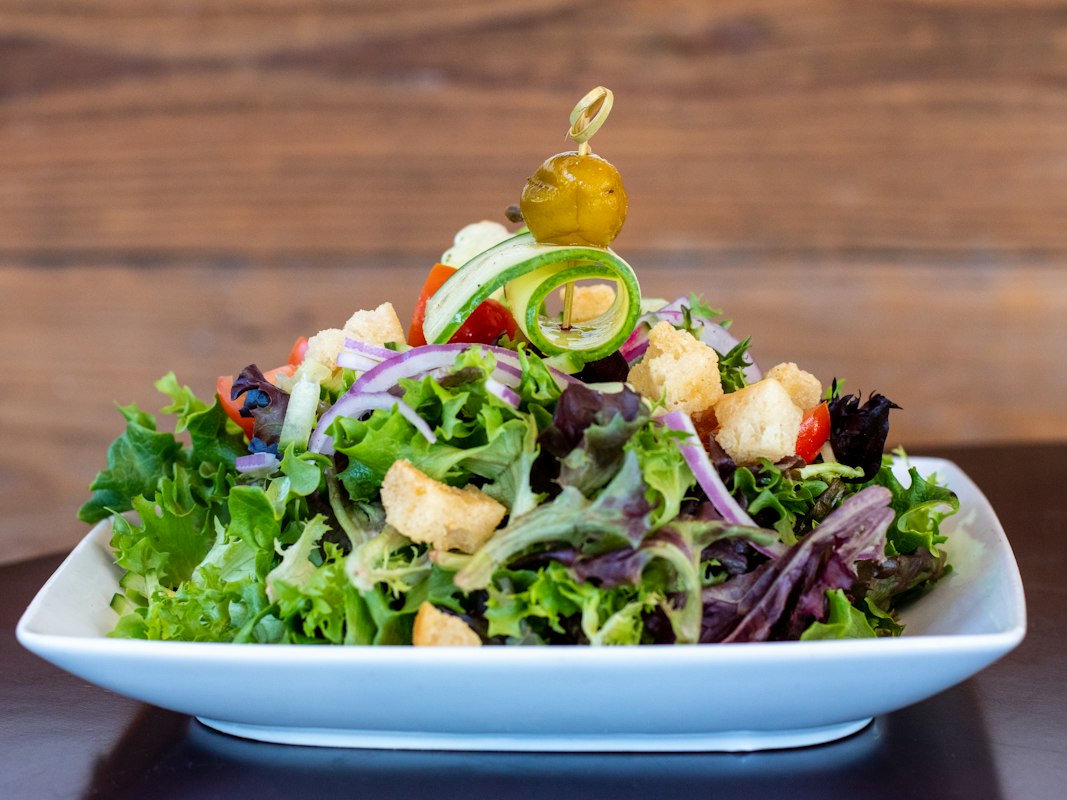
Classic Niçoise Salad
A French staple reinvented for blood sugar balance. Tuna, hard-boiled eggs, green beans, and olives deliver protein and healthy fats with virtually no refined carbohydrates. Our guide walks you through the ideal ratio of ingredients for a satisfying midday meal.
Read the Guide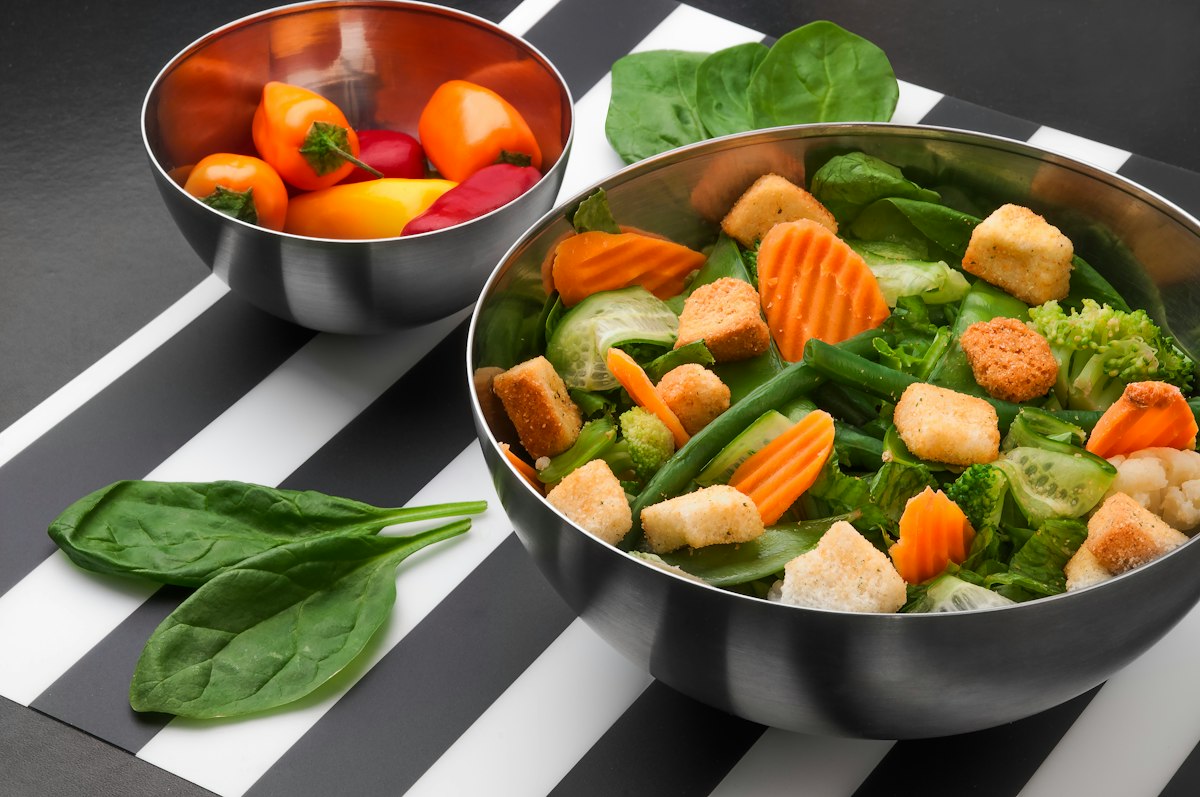
Spinach & Chickpea Power Bowl
Chickpeas score low on the glycemic index while spinach delivers iron, magnesium, and antioxidants. Dressed with lemon tahini and a sprinkle of pumpkin seeds, this salad is a fiber-packed, plant-based powerhouse featured in our latest nutrition guide.
Read the Guide
Grilled Chicken & Avocado Salad
Lean grilled chicken paired with creamy avocado, cherry tomatoes, and rocket leaves creates a balanced meal rich in monounsaturated fats. This editorial favorite is celebrated for being simple to prepare and exceptionally filling without spiking blood glucose.
Read the Guide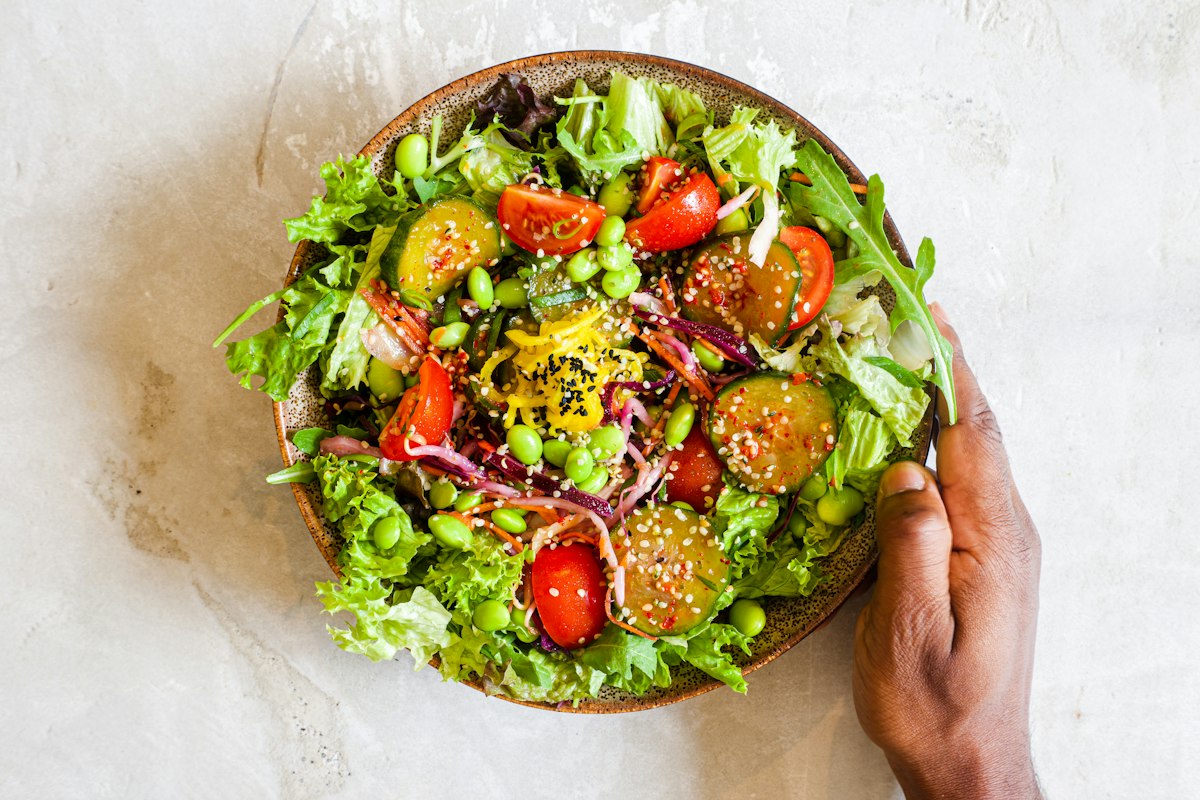
Mediterranean Greek Salad
Cucumber, bell peppers, Kalamata olives, and feta cheese tossed in extra-virgin olive oil — a timeless Mediterranean recipe praised for its anti-inflammatory ingredients. Our article explores how each component contributes to a more balanced post-meal energy response.
Read the Guide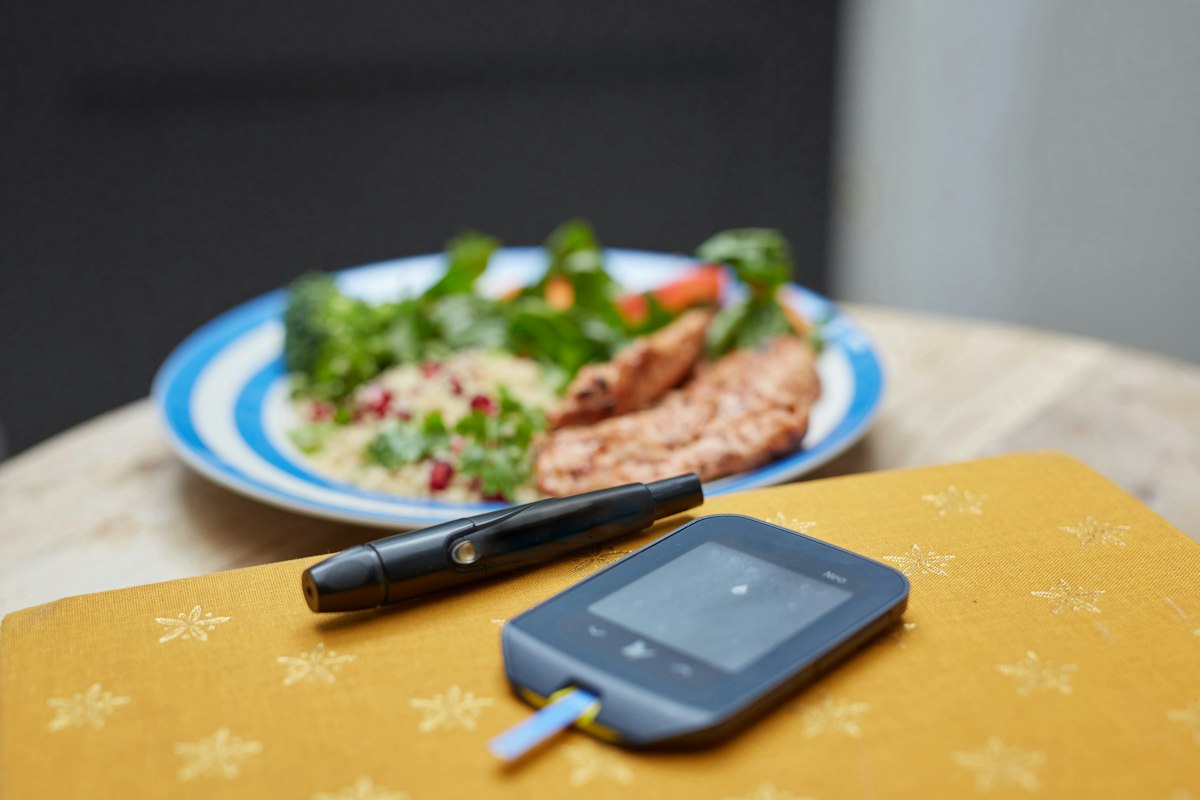
Lentil & Roasted Vegetable Salad
Green lentils are among the lowest glycemic legumes available. Combined with roasted courgettes, red onion, and a mustard vinaigrette, this salad transforms humble pantry staples into a filling, nutrient-dense meal. Our guide covers both warm and cold serving variations.
Read the Guide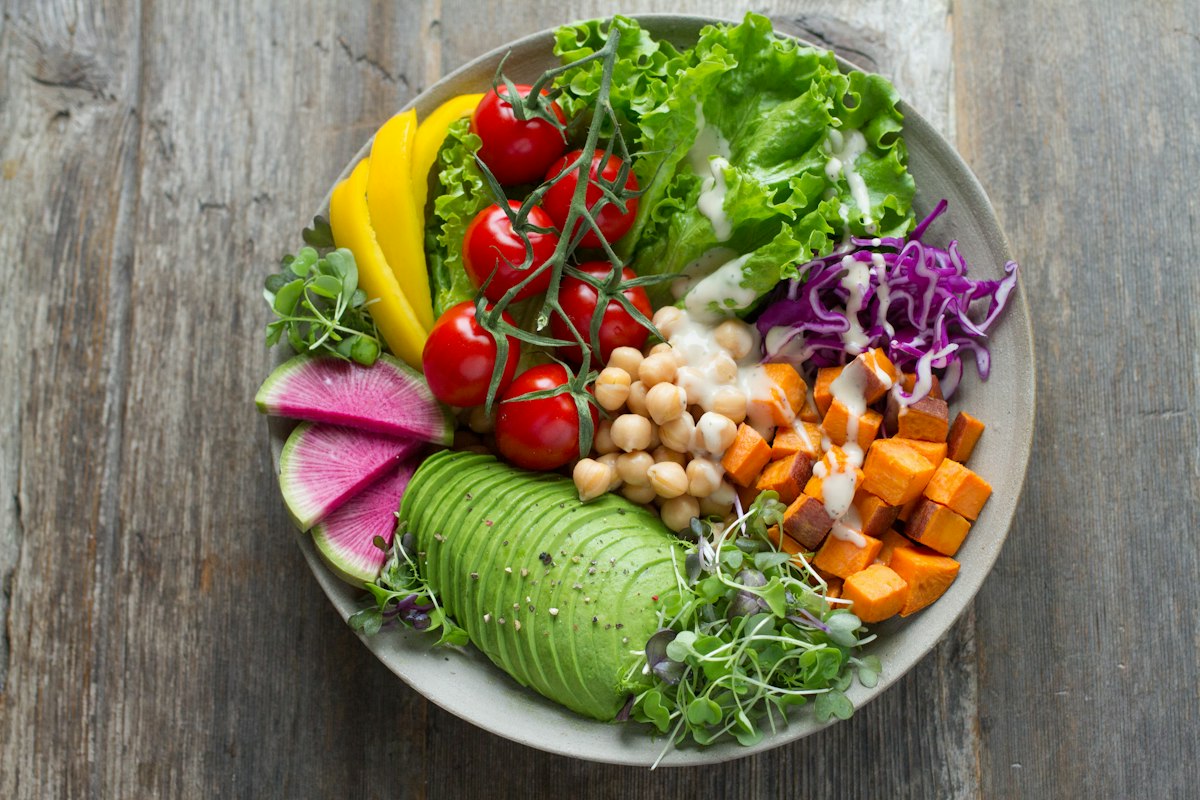
Kale, Walnut & Pomegranate Salad
Kale brings vitamins K, C, and A in abundance, while walnuts offer omega-3 fatty acids known to support heart and metabolic wellness. Pomegranate seeds add a burst of flavor and natural polyphenols. This winter salad is one of the most-read features on our platform.
Read the GuideWhy Low Glycemic Meals Are Worth Understanding
The glycemic index (GI) is a widely referenced measure of how quickly a food raises blood glucose after eating. Foods ranked low on this scale — typically vegetables, legumes, nuts, seeds, and certain fruits — are digested more slowly, providing a gradual, sustained energy release rather than a sharp spike followed by a crash.
Many nutritionists and registered dietitians emphasize that building meals around low-GI ingredients does not mean giving up flavor or satisfaction. In fact, some of the most celebrated cuisines in the world — Mediterranean, Japanese, and parts of West African cooking — naturally emphasize whole foods, vegetables, and lean proteins that align perfectly with blood-sugar-friendly eating principles.
Our editorial team at Healthydiabeticsuperfoodsinfo compiles and curates the most practical, everyday-friendly guides to help readers in France and beyond understand which ingredients to prioritize, which combinations work best, and how to make sustainable changes without complicated meal planning.
About Our Editorial Team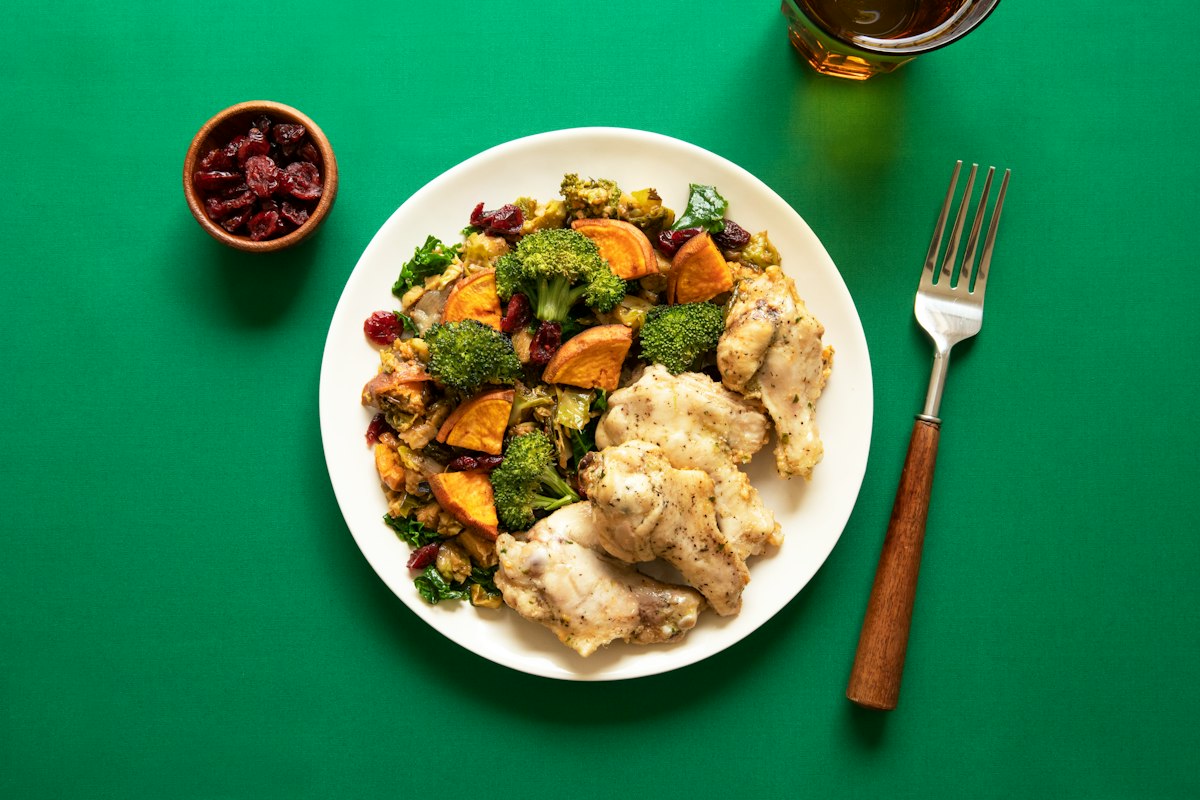
Hearty Meal Options Beyond Salads
Salads are just the beginning. Our guides also cover satisfying main meals that prioritize whole ingredients, smart carbohydrates, and steady energy. Browse our most-read full-meal features below.
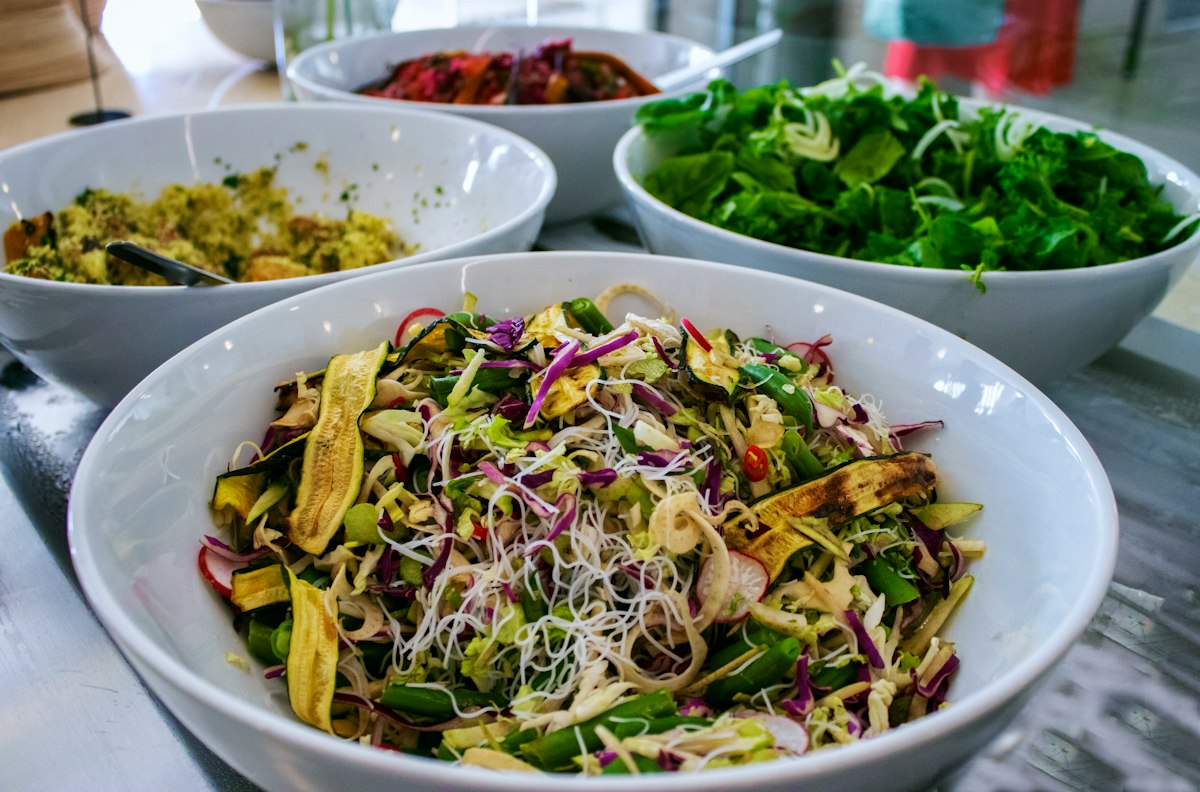
Baked Salmon with Roasted Root Vegetables
Salmon is consistently highlighted by nutrition researchers for its rich omega-3 fatty acid content and high-quality protein. Paired with root vegetables like parsnips and beetroot — roasted to bring out their natural sweetness — this meal is balanced, warming, and deeply satisfying. Our article explains portioning tips and the best herbs to use.
- Low refined carbohydrate content
- Rich in vitamin D and B12
- Easy 30-minute preparation
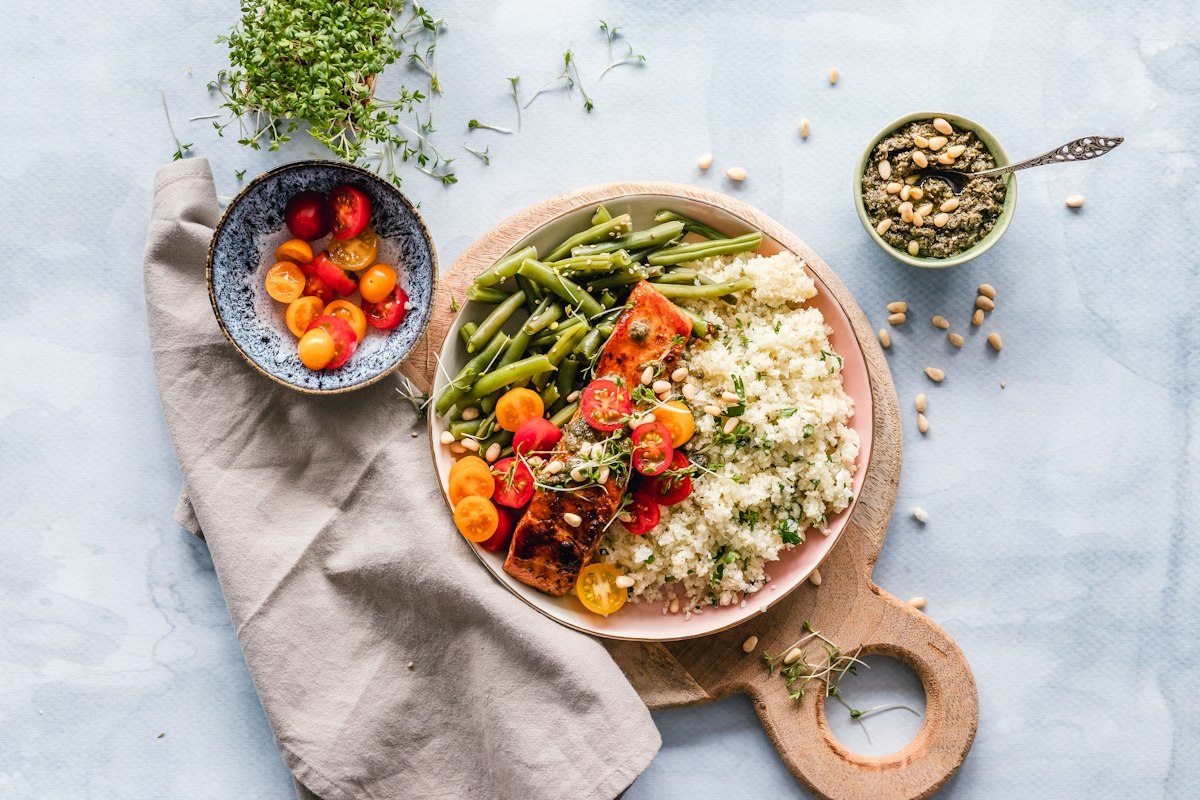
Tofu & Vegetable Stir-Fry with Cauliflower Rice
Swapping white rice for cauliflower rice dramatically reduces the carbohydrate load of a classic stir-fry without sacrificing texture or volume. Firm tofu provides plant-based protein, while broccoli, snap peas, and bell peppers add color, crunch, and a wealth of micronutrients. This guide is one of our top-performing plant-based meal articles.
- Very low glycemic index overall
- Excellent source of folate and vitamin C
- Fully vegan and gluten-free
What Our Readers Say
Readers from across France share how our editorial content has influenced their daily food choices and relationship with wholesome eating.
“
I came across the Niçoise salad guide while searching for lighter lunch ideas, and it completely changed how I think about midday meals. The explanations are clear, practical, and never preachy — exactly what I needed to start making smarter choices without feeling overwhelmed.
Marguerite D. — Lyon, France
“
The lentil and roasted vegetable salad article is something I return to regularly. The editorial team explains the reasoning behind every ingredient choice in a way that actually sticks with you. I now cook this every week and feel genuinely more energized throughout the afternoon.
Théodore G. — Bordeaux, France
“
What sets this platform apart is the depth of the articles. It is not just a list of ingredients — it is a genuine explanation of why certain combinations work better for stable energy. The kale and walnut salad guide in particular was a revelation. I have shared it with my whole family.
Claire B. — Strasbourg, France
Common Questions About Smart Eating
Our editorial team receives many questions about food choices, glycemic impact, and meal planning. Here are the answers to the most frequently asked topics our readers explore.
Which vegetables are best for keeping blood sugar steady?
Non-starchy vegetables are consistently highlighted as the most beneficial choices. Think leafy greens (spinach, kale, rocket), cucumbers, zucchini, bell peppers, broccoli, and cauliflower. These are low in naturally occurring sugars, high in fiber, and packed with vitamins and minerals that support overall wellness.
Are fruits safe to include in a blood-sugar-friendly meal plan?
Many fruits can be enjoyed in moderation, especially those with a lower glycemic index such as berries, cherries, apples, pears, and citrus fruits. The key is portion size and pairing fruit with a source of protein or healthy fat to slow glucose absorption. Our articles explore fruit choices in detail.
What dressings work best for diabetic-friendly salads?
Homemade dressings using extra-virgin olive oil, apple cider vinegar or lemon juice, Dijon mustard, and fresh herbs are excellent choices. These add flavor without added sugars or refined starches. Avoid commercial dressings that often contain hidden sugars and stabilizers. Our salad guides always include a dressing recommendation.
Can legumes like chickpeas and lentils be eaten regularly?
Yes — legumes are among the most well-regarded foods for people following a blood-sugar-conscious diet. Their high fiber and plant protein content means they digest slowly, producing a gentle, sustained glucose response. Both chickpeas and lentils rank very low on the glycemic index and appear frequently in our featured recipes.
Is olive oil a good choice for cooking and dressing?
Extra-virgin olive oil is one of the most researched cooking fats in nutritional science. Rich in oleic acid and natural polyphenols, it is a cornerstone of Mediterranean-style eating — a dietary pattern widely explored in our content for its positive relationship with metabolic and cardiovascular wellness indicators.
How do I build a complete meal from a salad?
A well-structured salad meal should include a leafy green base, a lean protein source (grilled fish, eggs, legumes, or chicken), a healthy fat component (avocado, nuts, or olive oil), and fiber-rich additions like seeds or raw vegetables. This combination ensures satiety and nutritional completeness. Our guides outline these structures clearly.
Ready to Explore More Smart Eating Guides?
Browse our full collection of editorial articles on salads, low-glycemic meals, and nutrient-rich superfoods. Our team updates the content regularly with the latest insights from nutritional research.
Frequently Asked Questions
Everything you need to know about incorporating low-glycemic salads and superfoods into a diabetes-friendly lifestyle.
What Our Readers Say
Everyday people share how our salad guides and superfood articles have helped them make smarter, more confident food choices.
"I was overwhelmed when my doctor told me I had prediabetes. Finding Healthydiabeticsuperfoodsinfo gave me a practical starting point. The spinach and chickpea salad guide was especially helpful — easy to follow and genuinely delicious."
Margaret T.
Reader from Ohio
"The articles here are well-researched and written in plain language. I appreciate that the site is honest about not being a medical resource — it encouraged me to bring the information to my dietitian, who confirmed the advice was solid."
David R.
Reader from Texas
"My husband and I both have type 2 diabetes. We've been using the meal guides here for a few months and have genuinely started to look forward to our salad lunches. The variety of recipes keeps things exciting and we never feel deprived."
Sandra L.
Reader from Florida