
Eat Well, Live Better:
Top Salads & Meals for Balanced Blood Sugar
Discover expert-curated guides, colorful recipes, and practical meal ideas designed to keep your energy steady and your plate exciting. Our editorial team explores the best low-glycemic foods, vibrant salads, and satisfying meals that nutrition experts recommend for everyday well-being.
Why Your Daily Food Choices Matter
Research published across leading nutrition journals consistently highlights the powerful role diet plays in maintaining stable blood glucose levels. Here is what the evidence tells us.
Low-Glycemic Eating
Foods with a low glycemic index release glucose slowly, helping to avoid sharp spikes in blood sugar. Leafy greens, legumes, and whole grains are cornerstone ingredients in this approach.
Fiber-Rich Meals
Dietary fiber slows digestion and moderates the absorption of sugars. Nutritionists widely advocate for fiber-dense salads and grain bowls as a reliable daily foundation.
Balanced Macronutrients
Combining quality proteins, healthy fats, and complex carbohydrates in every meal is a strategy consistently praised by registered dietitians for promoting lasting energy and satiety.
Top Salads & Meals to Try Today
Our editorial team has researched and compiled the most recommended, nutritionist-approved salad and meal ideas that support steady blood glucose throughout the day.
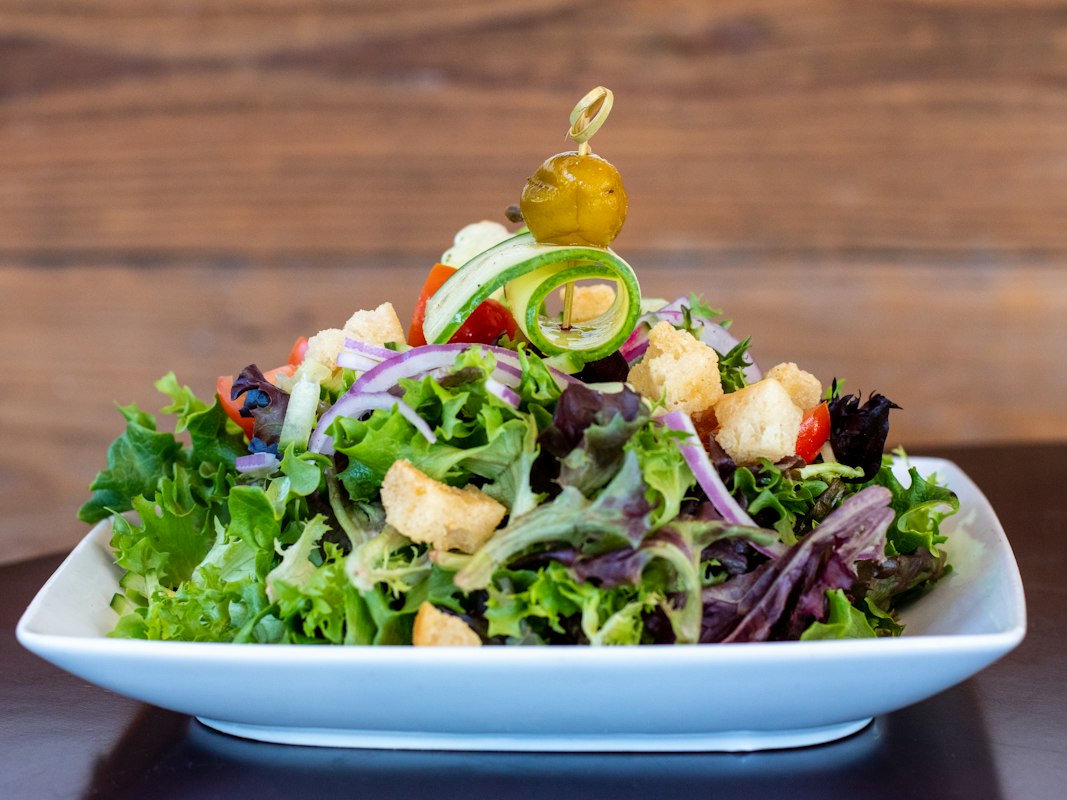
Chickpea & Spinach Power Bowl
Packed with plant-based protein and iron-rich spinach, this hearty salad is dressed with a lemon-tahini vinaigrette. It keeps hunger at bay for hours while delivering a generous dose of fiber.
Read the Guide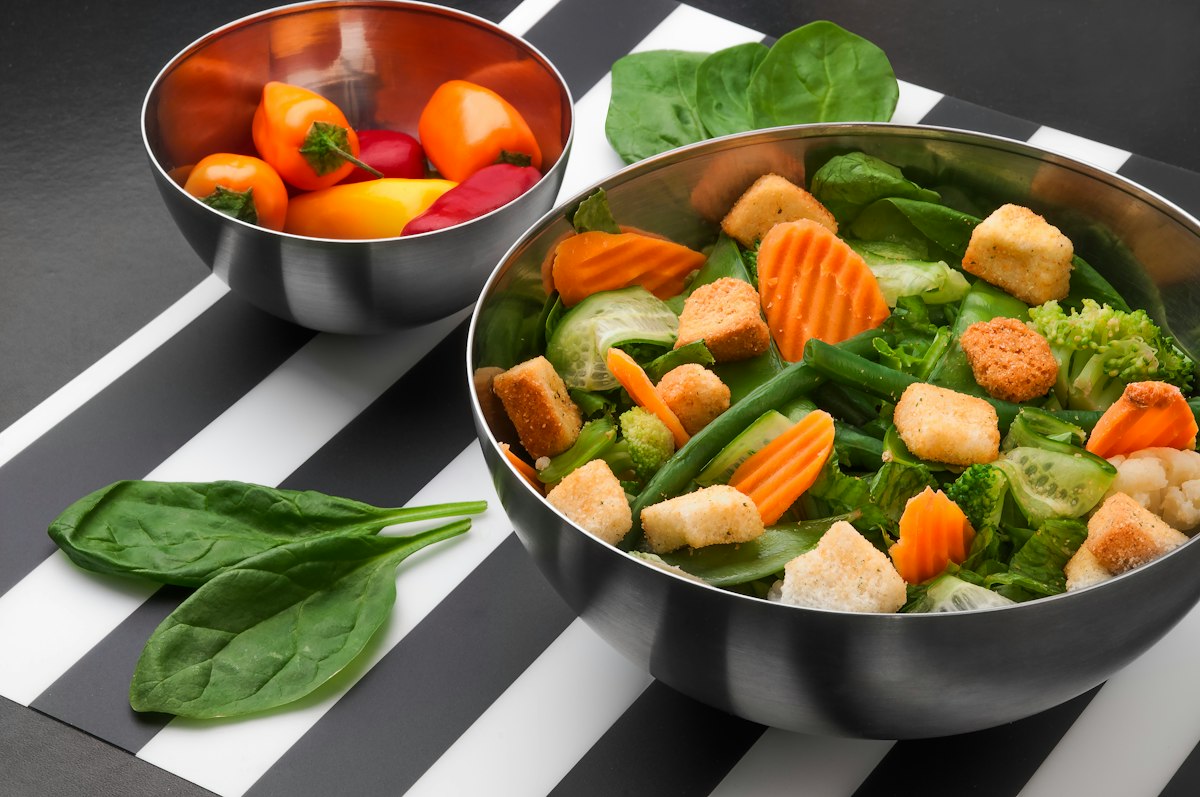
Quinoa & Roasted Vegetable Salad
Quinoa is a complete protein grain with a surprisingly low glycemic index. Combined with oven-roasted bell peppers, zucchini, and red onion, this salad is both colorful and deeply satisfying.
Read the Guide
Classic Greek Salad with Feta
Tomatoes, cucumbers, olives, red onion, and crumbled feta cheese dressed in extra-virgin olive oil — a Mediterranean staple praised by nutritionists for its healthy fat content and minimal carbohydrates.
Read the Guide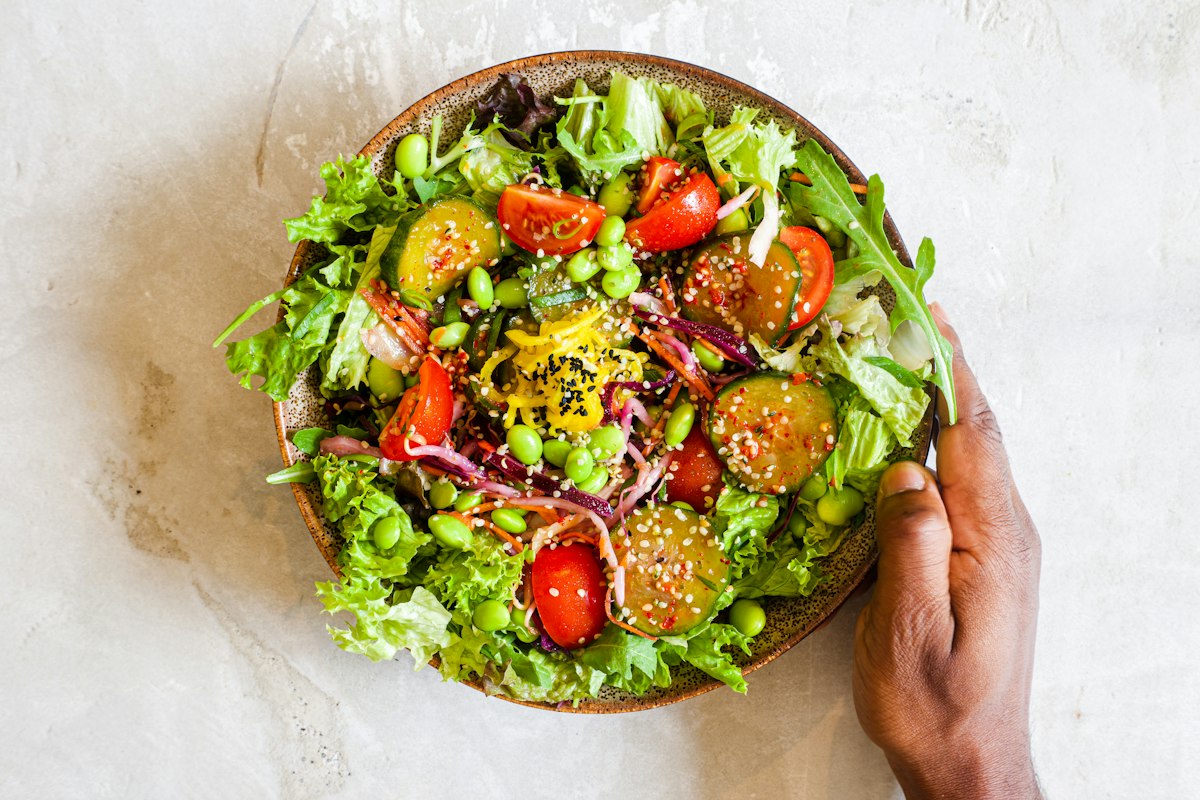
Green Lentil & Herb Salad
Lentils are among the most fiber-dense legumes available. This herb-forward salad pairs them with fresh parsley, mint, cucumber, and a zesty lemon dressing for a light yet filling meal.
Read the Guide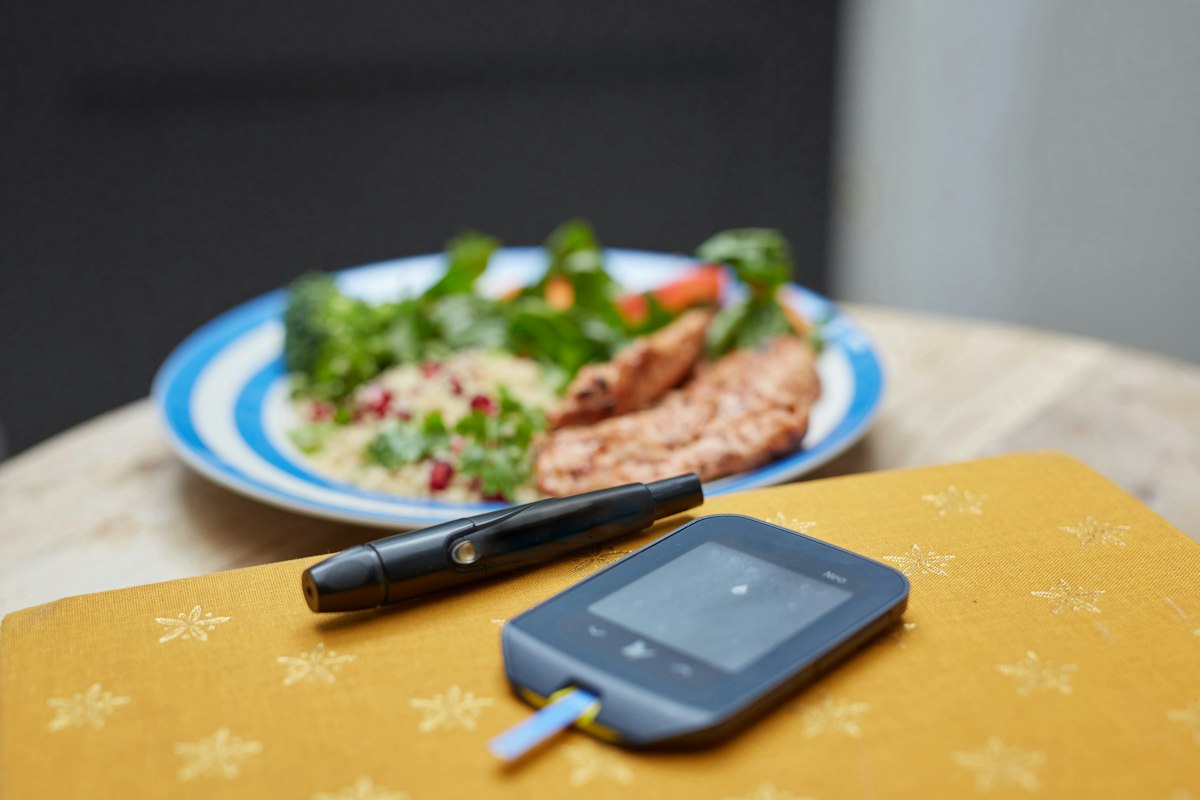
Avocado & Smoked Salmon Salad
A luxurious yet practical salad combining omega-3-rich smoked salmon with creamy avocado, baby arugula, and capers. Healthy fats here help slow glucose absorption — a dietitian's favorite combination.
Read the Guide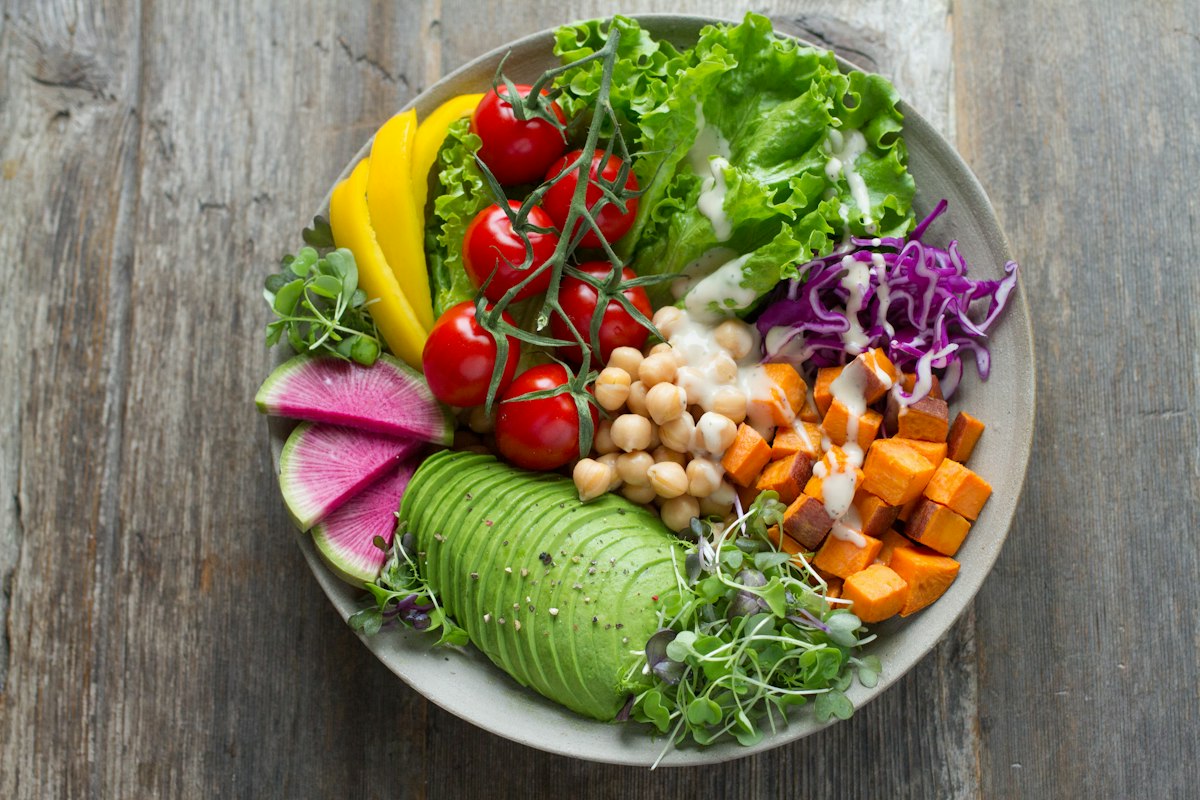
Broccoli & Walnut Crunch Salad
Raw broccoli florets tossed with toasted walnuts, dried cranberries (unsweetened), and a light apple cider vinegar dressing. Broccoli's sulforaphane content makes it a superstar ingredient in many wellness guides.
Read the GuideWhy Low-Glycemic Meals Play a Vital Role
The glycemic index (GI) measures how quickly a food raises blood glucose. Choosing low-GI foods — such as non-starchy vegetables, legumes, nuts, and whole grains — means energy is released steadily over time rather than in sudden surges. Registered dietitians across France and beyond consistently advocate for this approach as a cornerstone of mindful eating.
Our editorial team at Healthydiabeticsuperfoodsinfo reviews the latest research and translates it into practical, everyday guidance. We explore which ingredients pair well, how cooking methods affect the GI of foods, and what portion sizes nutritionists recommend for maintaining well-being throughout the day.
Whether you are new to balanced eating or looking to refine your existing habits, our guides walk you through every step — from choosing produce at the market to assembling a nourishing plate at home.
How to Build a Balanced Plate in 3 Steps
Nutritional science does not have to be complicated. Following this straightforward framework — recommended by registered dietitians — makes every meal an opportunity to nourish your body wisely.
Fill Half Your Plate with Vegetables
Non-starchy vegetables — leafy greens, broccoli, cucumbers, peppers, zucchini — should make up the largest portion of your meal. They are rich in fiber, vitamins, and minerals while contributing very few rapidly-absorbed carbohydrates. Variety is key: aim for several different colors at each meal.
Add a Quality Protein Source
Protein slows the digestion of any carbohydrates consumed alongside it, flattening the resulting glucose curve. Excellent choices include grilled chicken, salmon, eggs, tofu, tempeh, or legumes such as lentils and chickpeas. A palm-sized portion at each meal is the general guidance from nutrition specialists.
Choose Complex Carbohydrates Wisely
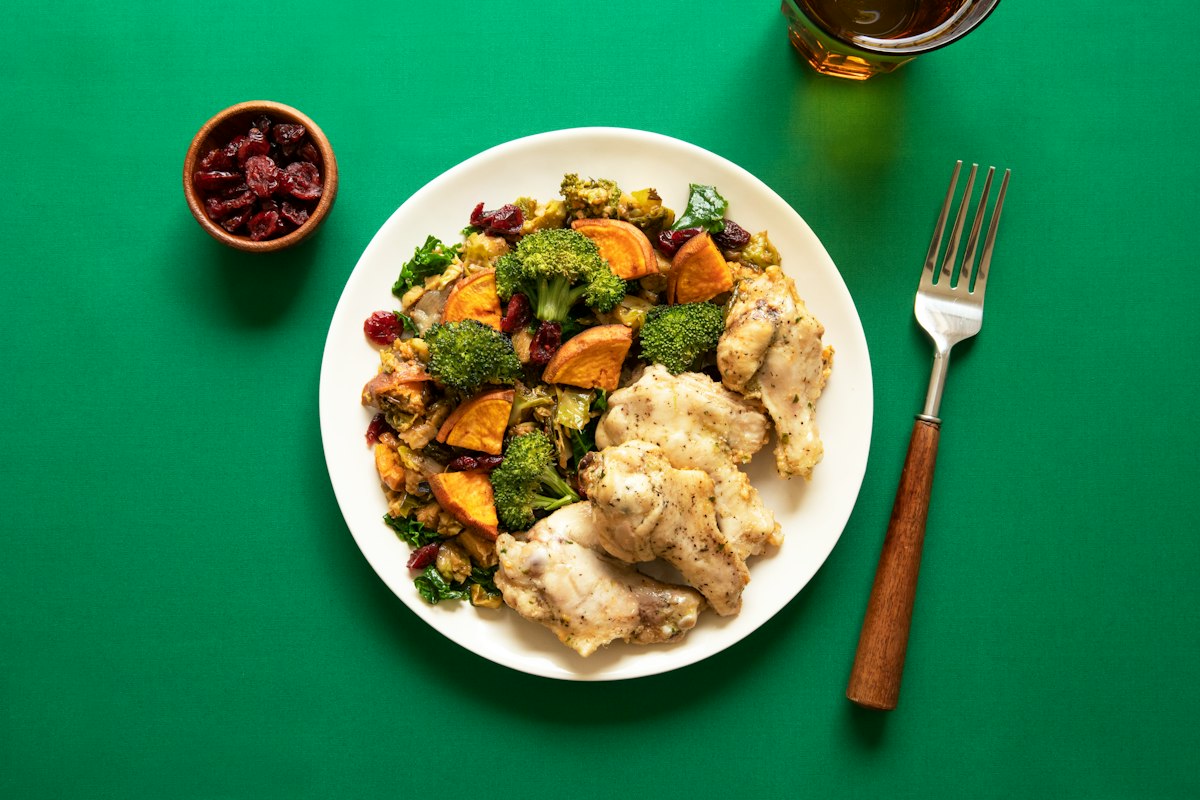
Not all carbohydrates are equal. Opt for complex, minimally processed options — quinoa, barley, brown rice, sweet potato, or whole-grain bread — and keep portions modest (roughly a quarter of your plate). These release energy gradually and pair beautifully with the vegetables and protein you have already chosen.
Colorful Meals That Keep Glucose Levels Stable
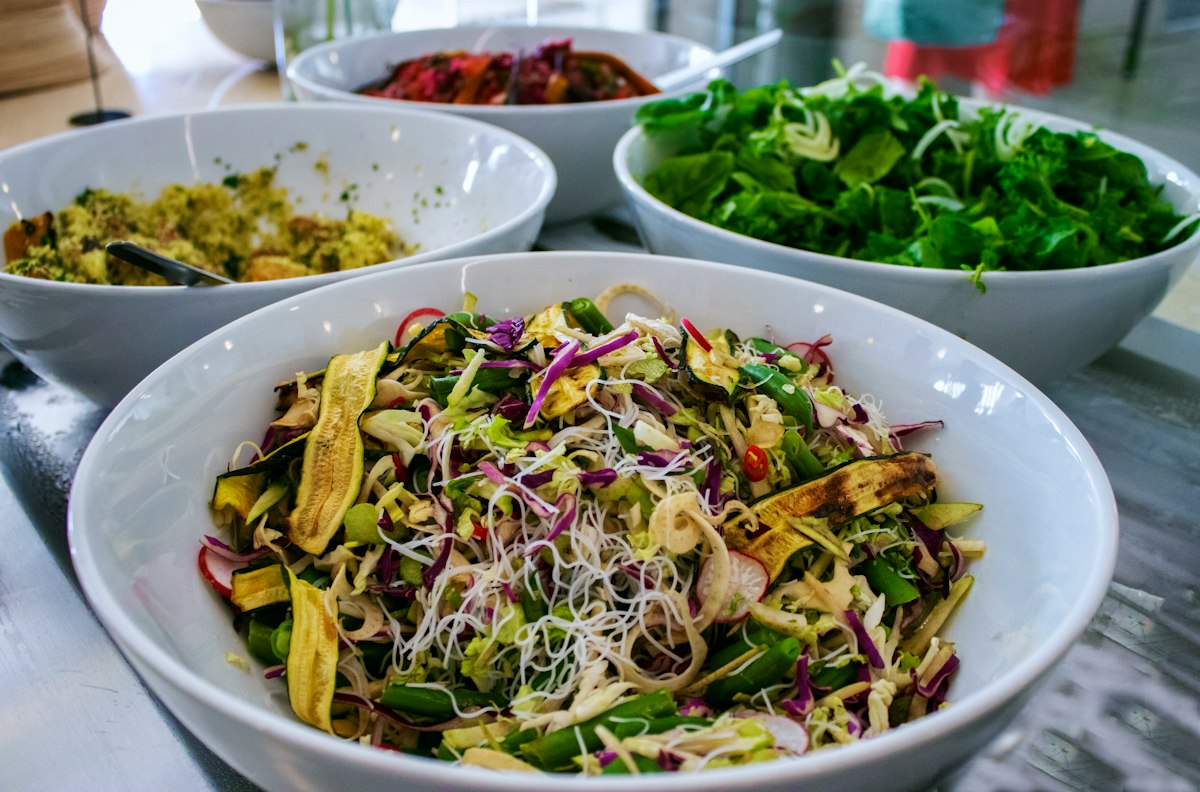
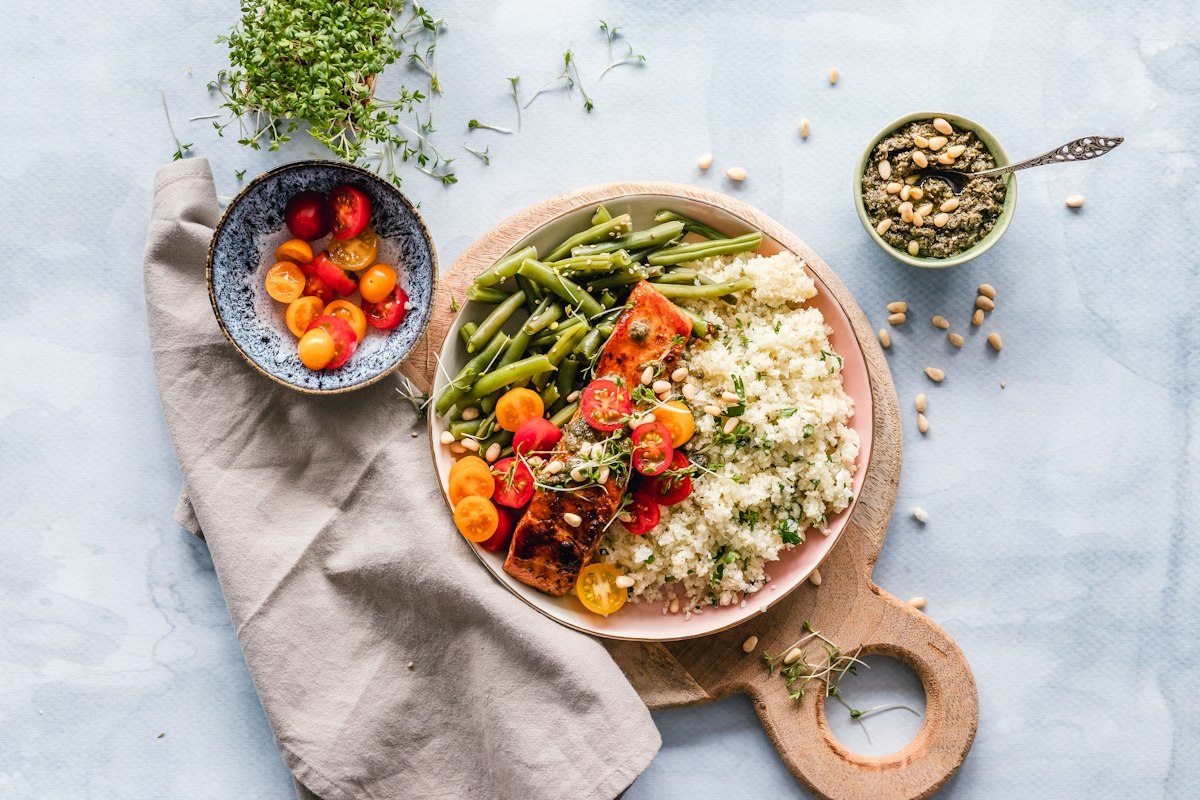
Eating for steady energy does not mean bland or boring. These vibrant meal ideas from our guides prove that nutritious eating can be a genuine pleasure.
What Our Readers Say
Readers from across France share how the articles and meal guides on this platform have shaped their everyday habits.
"
I stumbled upon the chickpea and spinach bowl guide one evening and decided to try it the next day. The combination of flavors was outstanding, and more importantly, I noticed how much steadier my energy felt throughout the afternoon. The articles here are genuinely practical and easy to follow, not just abstract advice.
Sophie Marchand — Lyon, France
"
The three-step plate-building guide is something I now share with everyone in my family. It is simple enough to remember without writing anything down, yet it genuinely changed how I approach every meal. The editorial team clearly puts serious thought into making complex nutrition accessible to everyday readers.
Julien Bertrand — Bordeaux, France
"
As someone who has been conscious of their eating habits for a long time, I appreciate that Healthydiabeticsuperfoodsinfo cites real research rather than offering vague wellness trends. The avocado and smoked salmon salad article in particular gave me a much deeper understanding of why healthy fats matter in a balanced meal.
Claire Dubois — Nantes, France
Common Questions About Balanced Meal Planning
Our editorial team answers the questions that readers ask most frequently about building nutritious, blood-sugar-friendly meals.
Which vegetables are considered best for stable blood sugar?
Non-starchy vegetables are the gold standard: leafy greens (kale, spinach, rocket), cruciferous vegetables (broccoli, cauliflower, Brussels sprouts), cucumbers, celery, and peppers. These are all low in digestible carbohydrates and high in fiber, meaning they have minimal impact on blood glucose levels while delivering excellent nutrition.
Are salad dressings a concern when eating for blood sugar balance?
Yes, dressings can make a significant difference. Many shop-bought dressings contain added sugars that can spike glucose. The most recommended options by nutritionists include extra-virgin olive oil with lemon juice or apple cider vinegar, tahini-lemon dressings, or plain yogurt-based sauces using no added sweeteners. Reading labels carefully is always advisable.
Can fruits be included in a blood-sugar-conscious diet?
Fruits absolutely have a place in a balanced eating plan, but the choice and portion matter. Berries (strawberries, blueberries, raspberries) have a relatively low glycemic index and are rich in antioxidants. Whole fruits with their fiber intact are preferable to juices. Pairing fruit with a protein or fat source also helps moderate the glucose response.
Is it necessary to count carbohydrates at every meal?
Carbohydrate counting is one approach, but it is not the only one. Many nutrition educators recommend the "plate method" as a simpler starting point: half the plate non-starchy vegetables, one quarter quality protein, one quarter complex carbohydrates. This visual framework requires no calculations and still supports well-balanced, nutritious eating.
What grains are most recommended in nutrition guides for balanced eating?
Quinoa, barley, oats, bulgur wheat, and brown or wild rice are regularly highlighted in nutrition literature. These whole-grain options retain their bran and germ layers, providing more fiber than their refined counterparts. The extra fiber content slows digestion and results in a more gradual glucose release after eating.
How does meal frequency affect blood glucose balance?
Eating at regular intervals — three balanced meals with optional small snacks if needed — helps prevent large fluctuations in energy and blood glucose. Skipping meals, particularly breakfast, can lead to overconsumption later in the day and more pronounced glucose spikes. Consistency in meal timing is a factor many registered dietitians emphasize.
Your Journey to Smarter, More Balanced Eating Begins Here
Browse our curated collection of salad guides, meal frameworks, and evidence-based nutritional articles. Our editorial team brings together the latest research and expert perspectives — all in one easy-to-navigate resource designed for readers in France and beyond.
Avenue Victor Hugo 42, Lille | +33 241 396 185 |